LIVING
Decor that returns to the earth
Most decor is made to last on a shelf, not to leave the planet gently. Here is why we choose materials that can go back to the earth, and why it matters so much in Pakistan.
Think about the last decorative piece you threw away. A plastic flower, a resin figurine, a foam wall panel. It looked finished in the shop, but its story did not end when you were done with it. Most of it is still out there somewhere.
What happens to plastic decor
Plastic does not break down the way a leaf or a twig does. NOAA, the American ocean agency, explains that many plastics never fully break down in nature. They split into smaller and smaller pieces called microplastics, and some may never fully go away.
Here at home the problem is huge. WWF Pakistan estimates that the country makes nearly two million tonnes of plastic waste every year, and that 86 percent of it is mismanaged. Most of it ends up in landfills, open dumps, rivers and even our food.
A home full of natural things leaves a lighter mark.
Materials that know the way home
Natural materials live a gentler life, and when their time is done they can go back to the earth.
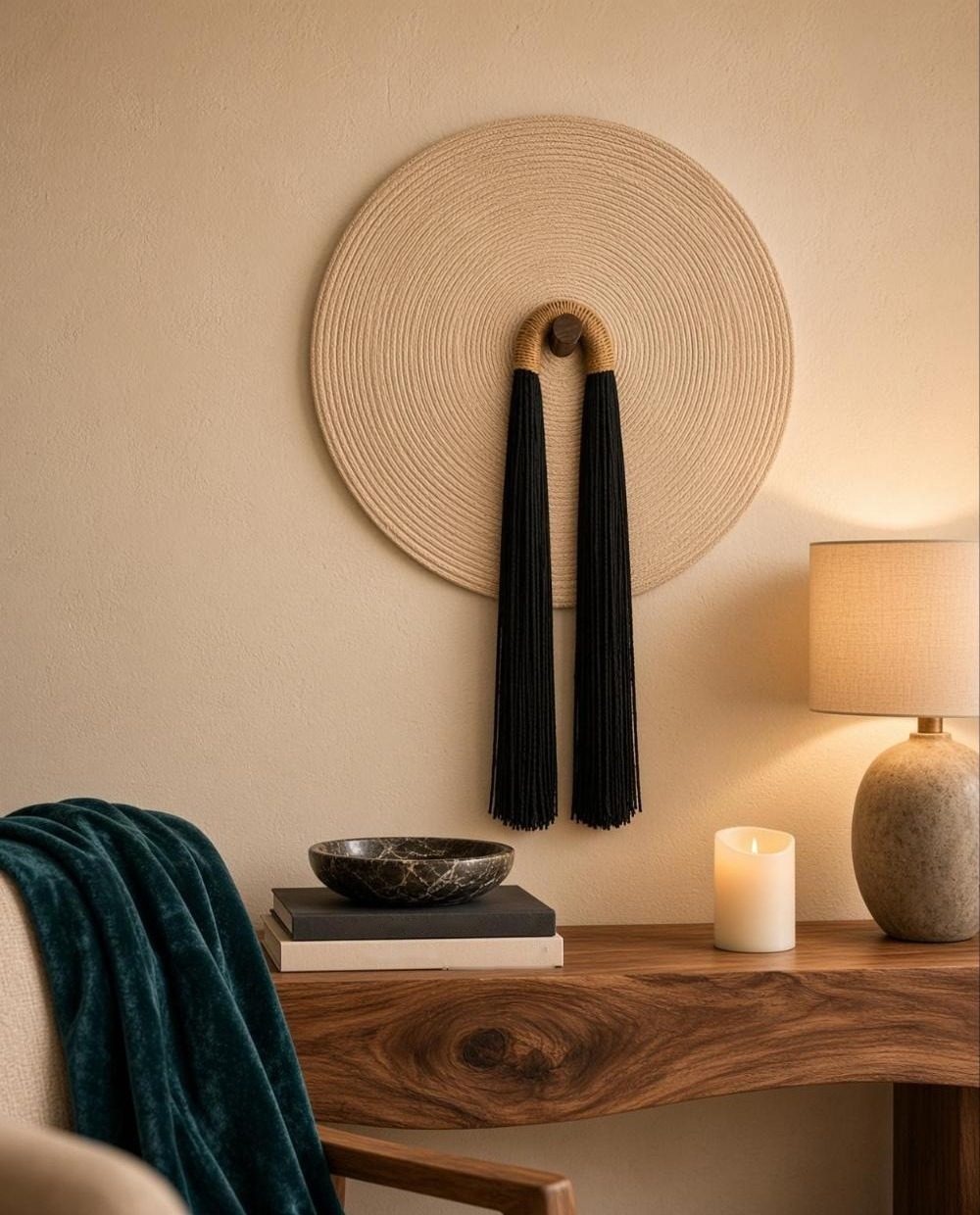
- Jute is fully biodegradable. While it grows, a hectare of jute takes in about 15 tonnes of carbon dioxide and gives back about 11 tonnes of oxygen, according to the FAO.
- Cotton breaks down far faster than polyester. In a two year study at North Carolina State University, cotton fibres degraded much faster than polyester in wastewater, lake water and sea water.
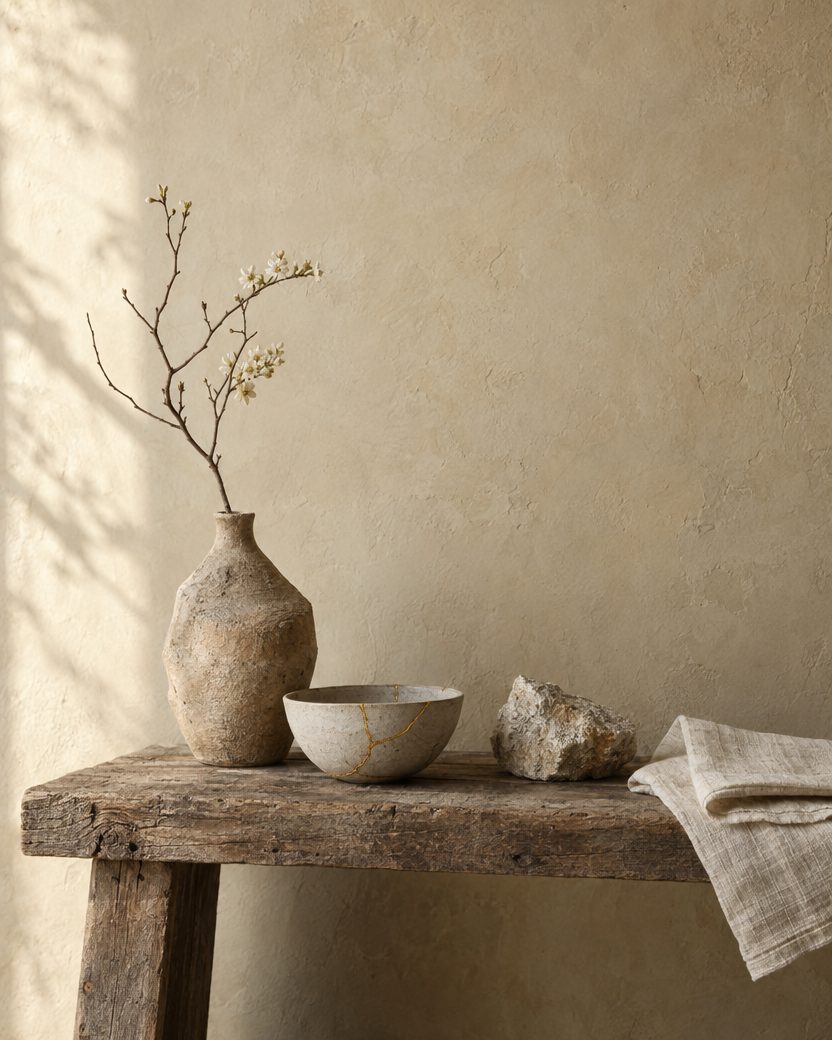
- Clay and terracotta are made from earth. A broken pot does not need a bin: crushed, it becomes drainage for the bottom of other pots.
- Stone and pebbles come from the ground and can simply go back to the garden.
- Dried flowers, pine cones, twigs and wood slices can be composted or left to return to the soil.
Made to order means less waste
We do not keep a warehouse of finished pieces waiting to be sold. Every piece is made after you order it, so nothing is made only to sit in a store room, go out of fashion and be thrown away. It also means we can make each piece to your size and colours, so it fits your home and stays in it for years.
How to retire natural decor
When a piece has given you all it can, you can let it go gently.
- Remove any metal hooks, wires and LED parts first, and recycle them separately.
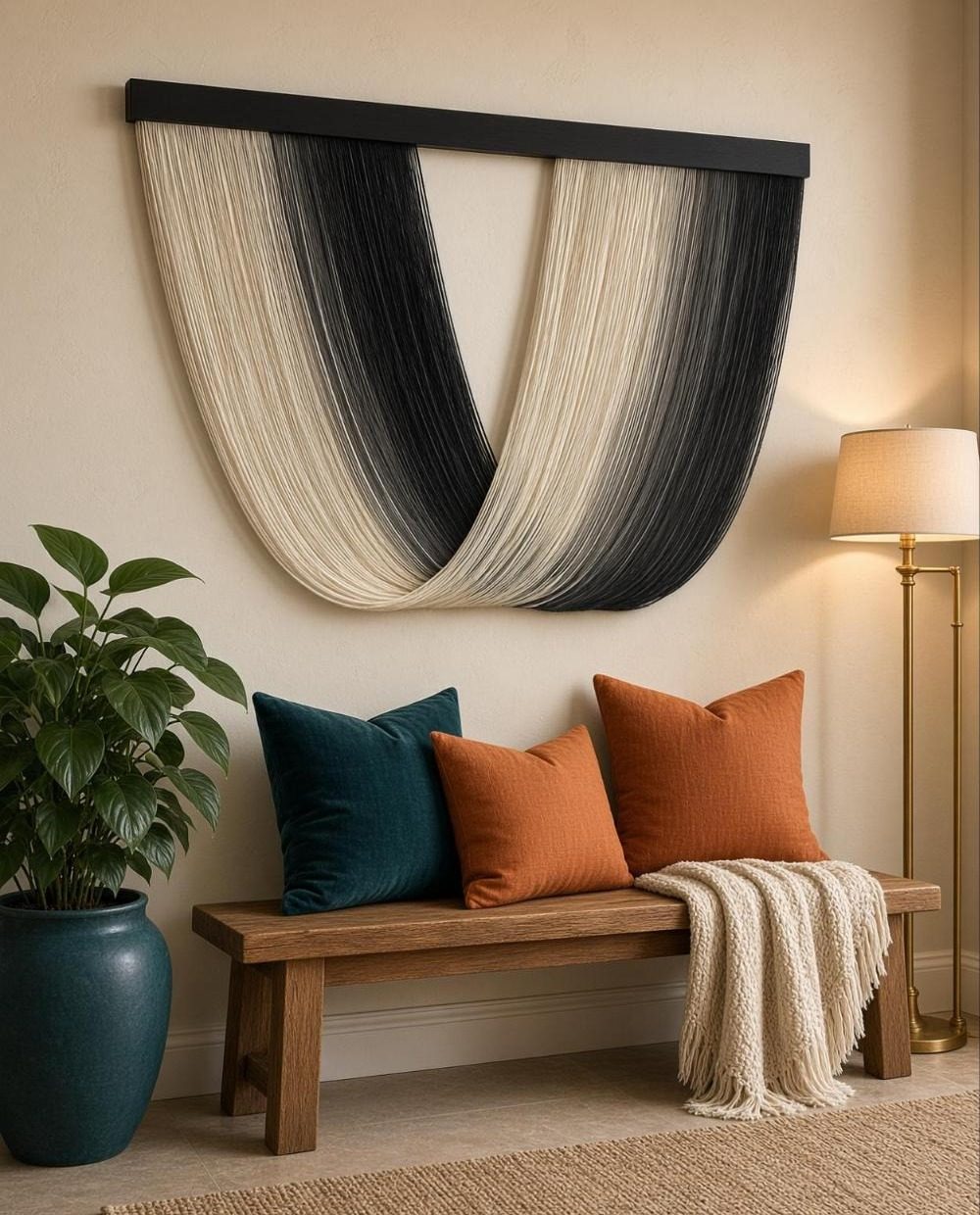
- Cut jute, cotton and macrame into small pieces and add them to compost or bury them in a garden bed.
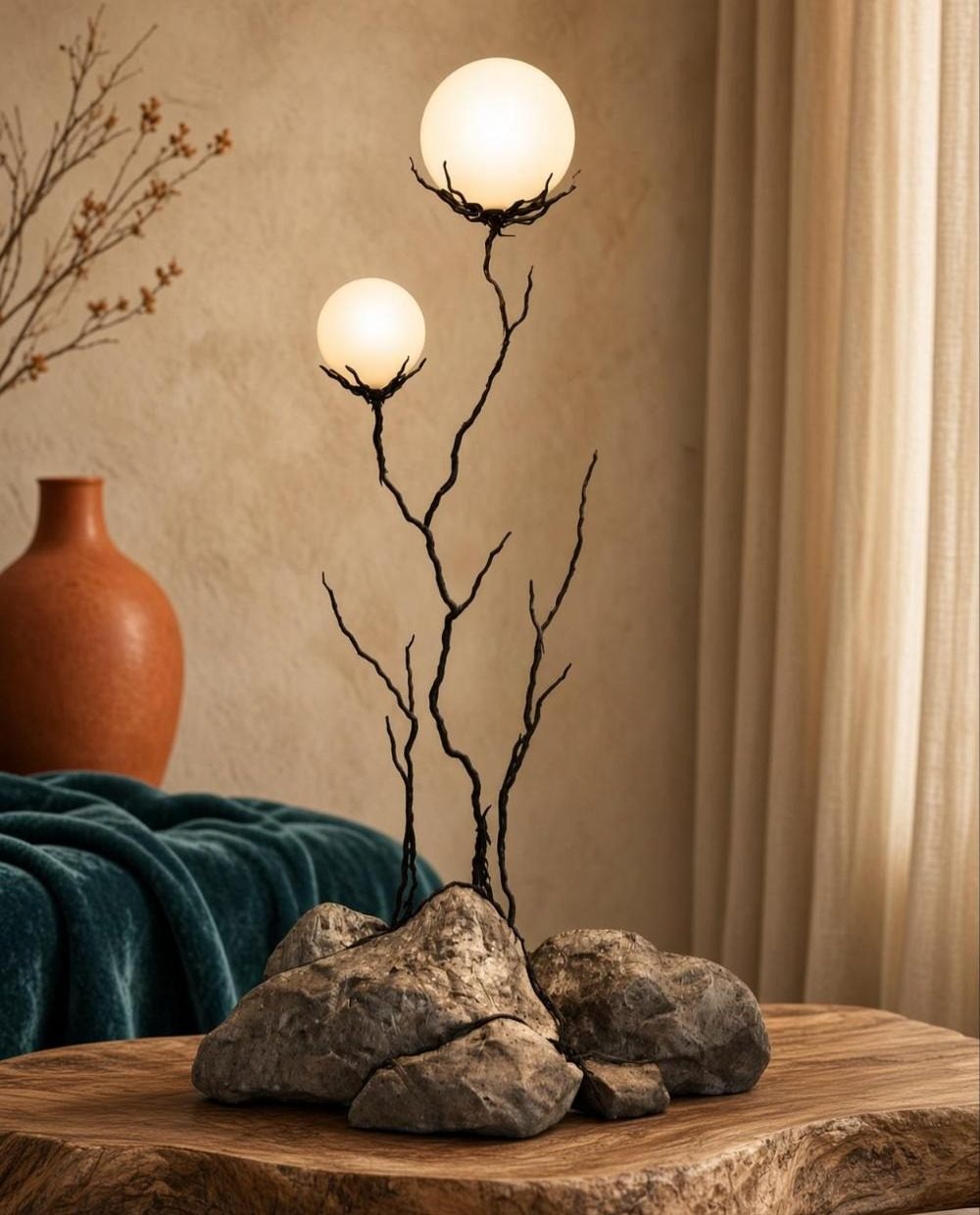
- Put pebbles and stones back into your garden or into the bottom of a plant pot.
- Break old terracotta into pieces and use them as drainage when you pot a new plant.
- Crumble dried flowers and leaves into compost.
A home that leaves a lighter mark
Choosing natural decor will not fix the world on its own. But a home full of jute, clay, wood and stone is a home that leaves a lighter mark, and that feels calmer to live in too. That is the kind of beauty we want to make.
FURTHER READING
- How plastics break down into microplastics, NOAA Ocean Service
- Two million tonnes of plastic waste yearly, 86 percent mismanaged, Business Recorder, reporting WWF Pakistan
- Jute, FAO Future Fibres
- How quickly do textile microfibers degrade in water?, Cotton Today, on the North Carolina State University study
Want help with yours?
Message us on WhatsApp